
The Truth About Punching Machine Accuracy: A Smart Investment for Your Arcade
- Understanding Accuracy in Arcade Punching Machines
- The Technology Behind Precision: How Modern Punching Machines Measure Up
- Benefits of Accurate Boxing Machines for Your Business
- NeoFuns' Commitment to Superior Accuracy and Quality
- Beyond Accuracy: The Enduring Appeal of Arcade Boxing Games
- Investing in Performance: Why Quality Boxing Machines Drive Profit
- Frequently Asked Questions About Punching Machine Accuracy
When considering new attractions for your family entertainment center or arcade, one question often arises about popular competitive games: are punching machines accurate? For business owners looking to invest in durable and engaging entertainment, understanding the precision and reliability of these machines is paramount. The short answer is yes, modern commercial punching machines are designed to be remarkably accurate, offering consistent and fair measurements that keep players coming back for more. This article delves into what makes these machines accurate, their benefits for your business, and why investing in high-quality equipment from a trusted supplier like NeoFuns Amusement Equipment Co., Ltd. is a smart move.
Understanding Accuracy in Arcade Punching Machines
For an arcade operator, accuracy in a punching machine means more than just a big number on a screen. It signifies consistency, fairness, and reliability. An accurate boxing machine provides a consistent score for the same input force, ensuring that players perceive the game as fair and challenging. This encourages repeat play and fosters a competitive environment, crucial elements for driving game center revenue. Inaccurate machines, on the other hand, can lead to player frustration, complaints, and ly, a decline in usage and profitability. Therefore, the ability of a commercial punching machine to precisely measure and display a player's strength is fundamental to its success as an entertainment investment.
The Technology Behind Precision: How Modern Punching Machines Measure Up
Modern arcade boxing machines utilize sophisticated technology to achieve their high levels of accuracy. At their core are advanced force sensors, often integrated within the impact pad or behind it. These sensors, which can include strain gauges or accelerometers, are designed to detect the precise force of a punch. The data from these sensors is then processed by a dedicated microprocessor, which translates the raw impact data into a numerical score displayed to the player. Crucially, these systems are rigorously calibrated during manufacturing and often include self-calibration features to maintain their precision over time. The robust construction, typically featuring heavy-duty steel frames and durable impact surfaces, also plays a vital role in ensuring consistent performance and preventing external vibrations from skewing results. This blend of cutting-edge sensor technology and sturdy engineering is what makes today's strength tester game machines so reliable.
Benefits of Accurate Boxing Machines for Your Business
Investing in accurate boxing machines offers several compelling advantages for your amusement business. Firstly, it significantly enhances customer satisfaction. Players feel confident that their efforts are being fairly judged, leading to a more enjoyable experience and encouraging them to play again to beat their high score or challenge friends. This repeat play directly translates into increased coin-op games revenue. Secondly, accurate machines foster genuine competition, turning individual play into group entertainment and drawing more attention to the machine. Thirdly, reliable performance reduces maintenance calls and player complaints, saving your operational costs and staff time. ly, an accurate punching machine is a strong revenue generator and a cornerstone attraction for any successful game center, enhancing your overall appeal as a premier destination for leisure games.
NeoFuns' Commitment to Superior Accuracy and Quality
As one of the Top 10 Best Arcade Machine Manufacturers in the World, NeoFuns Amusement Equipment Co., Ltd. places paramount importance on the accuracy and durability of our boxing machines. Our professional R&D team continuously innovates, incorporating the latest sensor technology and robust design principles to ensure every machine delivers consistent and precise results. We understand that for amusement equipment suppliers, quality is non-negotiable. Our factory has received international professional institution certifications, including France's BV and Germany's Rhine TUV, underscoring our commitment to rigorous quality control. Furthermore, most of our products, including our popular boxing machines, boast CE, C-Tick, and RoHS certification, along with UL authentication, signifying adherence to global safety and performance standards. This dedication to quality ensures that when you buy boxing machine from NeoFuns, you're investing in a product known for its game machine durability and unparalleled accuracy, built to withstand heavy commercial use and provide years of reliable entertainment. We also offer OEM and ODM development, allowing us to create custom prize game series solutions tailored to your specific needs.
Beyond Accuracy: The Enduring Appeal of Arcade Boxing Games
While accuracy is critical, the enduring popularity of arcade boxing games stems from their universal appeal. They offer a unique blend of physical challenge, competitive spirit, and instant gratification. Whether it's a casual player looking to release some stress or a seasoned enthusiast aiming for a new high score, the simple yet engaging premise resonates with a wide audience. These machines serve as excellent different sport game series additions, breaking the monotony of typical video games and offering a distinct interactive experience. Their vibrant lights, compelling sound effects, and immediate feedback create an exciting spectacle that draws crowds and enhances the overall atmosphere of any FEC or game center. For amusement equipment sales, the boxing machine remains a consistently strong performer.
Investing in Performance: Why Quality Boxing Machines Drive Profit
For any business owner, the decision to invest in arcade games boils down to return on investment. High-quality, accurate boxing machines from a reputable manufacturer like NeoFuns are not just an expense; they are a strategic investment. Their reliability means less downtime and lower maintenance costs over their lifespan. Their accuracy ensures player satisfaction, fostering repeat visits and positive word-of-mouth. This combination leads to consistent and robust revenue generation. By choosing a supplier that prioritizes both precision and durability, you safeguard your amusement equipment investment and ensure your machines remain a profitable attraction for years to come. NeoFuns' extensive experience in game center operations and a full suite of services, from product purchase to whole amusement center design, further supports your path to success.
In conclusion, the question, Are punching machines accurate? can be confidently answered with a resounding yes, especially when sourcing from leading manufacturers committed to quality and innovation. Modern strength test games are engineered with advanced technology and built to rigorous standards, ensuring fair play and reliable performance. For arcade operators and entertainment center owners, investing in these precise and durable machines is a proven strategy to boost customer engagement, enhance your venue's appeal, and significantly increase revenue. With NeoFuns Amusement Equipment Co., Ltd., you gain a partner dedicated to providing top-tier, certified amusement equipment that stands the test of time and delivers exceptional value.
Frequently Asked Questions About Punching Machine Accuracy
Q: How do punching machines measure accuracy?
A: Modern punching machines use advanced force sensors (like strain gauges or accelerometers) embedded within or behind the impact pad. These sensors detect the exact force of the punch, and a microprocessor translates this data into a numerical score, ensuring consistent and fair results.
Q: Can punching machines be calibrated?
A: Yes, high-quality commercial punching machines are designed to be calibrated. Many even feature automated self-calibration systems to maintain their accuracy over time, ensuring consistent performance for players.
Q: What factors can affect the accuracy of a punching machine?
A: The main factors include the quality of the internal sensors, the robustness of the machine's construction (to minimize external vibrations), proper installation, and regular maintenance. Low-quality machines or those that are poorly maintained are more prone to inaccuracies.
Q: Why is accuracy important for my arcade business?
A: Accuracy is crucial for customer satisfaction and repeat play. When players trust that the machine is fair and consistent, they are more likely to enjoy the game, return to play again, and encourage others, directly contributing to your revenue and the machine's profitability.
Q: Do NeoFuns' boxing machines come with certifications for accuracy and quality?
A: Yes, NeoFuns is committed to global quality standards. Our factory has received certifications like France's BV and Germany's Rhine TUV, and most of our products, including boxing machines, have CE, C-Tick, RoHS, and UL authentication, ensuring high performance and safety.
The punching boxing machine Cost Guide | NeoFuns Ultimate Insights
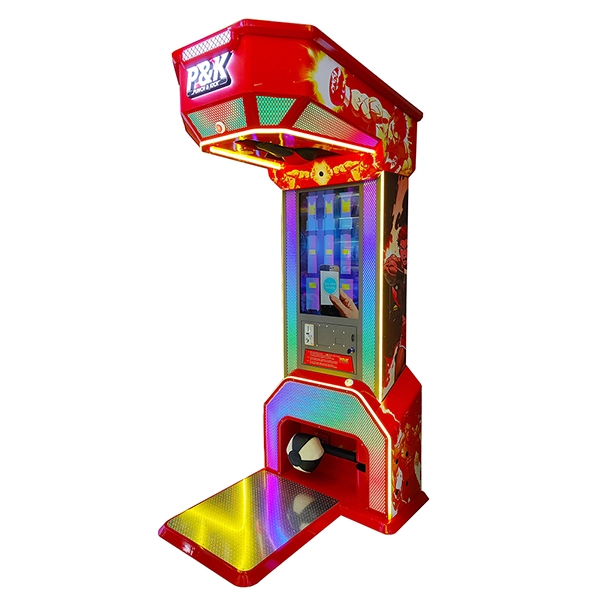
Top Boxing Game Arcade Machines for High-Traffic Arcades
Everything You Need to Know About punching machine market
What are the different types of combo boxing machine?
FAQS
How long will it take for me to receive the goods?
Standard products are delivered within 2 days; customized products will be delivered on time after all order information is confirmed, or even delivered in advance. For large quantities, it usually takes 35-40 days. Small customized, delivery time of within 30 days.
Who are we?
As a 20 years R&D experience manufacturer,we specialized in boxing game machines, holding 50+ patents.
Whether to provide perfect after-sales service?
Yes, 24-hour online service, supporting multi-language online technology and after-sales support,1-year free warranty for core accessories, and lifetime maintenance.
Can I customize special specifications and packaging?
Yes, we support customization of appearance, program, organization, etc.
Whether to support samples?
Yes, the minimum order is 1 unit, and the customer pays the sample fee and shipping fee.

Neofuns Kids Boxing Punch Machine
The Kids Boxing Punch Machine is an interactive amusement device designed specifically for children, commonly found in amusement parks, shopping malls, or family entertainment centers. Its core function is to allow kids to test their strength, speed, and reaction abilities by punching a target.

Neofuns Boxing Champion Arcade Punching Game Machine
The colorful lights can make players immerse themselves in the punch of boxing, and every punch is a release of pressure; the digital scoreboard allows players to feel the sense of accomplishment brought by each punch, making people unable to stop and increasing your venue revenue; the customizable logo and stickers help you improve your brand awareness.
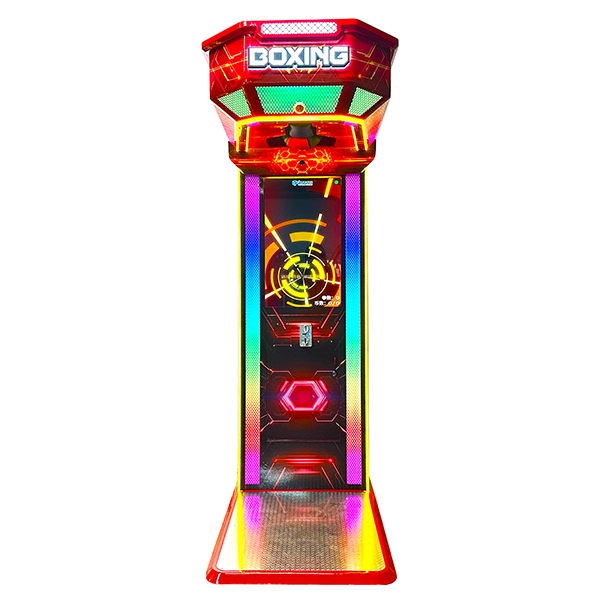
Neofuns Boxing Video Arcade Punching Game Machine
Experience the ultimate fusion of strength and technology with our cutting-edge boxing machine! At its heart lies a vibrant 32-inch HD display that reacts in real-time to every punch—tracking your speed, power, and accuracy with thrilling visuals.
Become the Champion: Shatter records? Our built-in auto-capture camera instantly films your victory moment and immortalizes you on the global leaderboard!
Compete & Conquer: Challenge friends worldwide. Your name in lights awaits!
Immersive Training: From precision drills to knockout games—crystal-clear graphics make every hit explosive.

Neofuns Boxing Prize Arcade Punching Game Machine
Test your strength and aim for glory! Players unleash thrilling punches on our dynamic boxing pad. Hit hard, score big, and watch the excitement build! Reach the target score, and WIN A PRIZE INSTANTLY! Perfect for arcades, family entertainment centers, bars, and events—this high-energy attraction draws crowds, boosts revenue, and keeps customers coming back for that winning punch!
 +86 137 1928 7841
  sales@neofuns.com
Copyright © 2025 Neofuns. All Rights Reserved.
Instagram
Facebook
Youtube