
Installation & Maintenance Tips for Punching Bag Bar Machines
- Understanding the Machine and Safety Requirements
- Core components and how they affect installation
- Regulatory and safety compliance
- Installation Best Practices
- Site selection, anchoring and clearance
- Electrical supply, grounding and surge protection
- Initial calibration and software setup
- Maintenance Routines and Parts Management
- Daily and weekly checks
- Monthly and annual preventive maintenance
- Parts lifecycle, spares, and inventory control
- Troubleshooting: Common Failures and Fixes
- Sensor misreads and scoring errors
- Mechanical wear, noise and structural issues
- Software crashes, freezes and networking faults
- Choosing Suppliers, Certifications and Long-Term Support
- What to evaluate in a machine supplier
- NeoFuns and global manufacturer considerations
- Warranty, after-sales and extended service
- Frequently Asked Questions (FAQ)
- 1. How long should a punching bag bar game machine last with proper maintenance?
- 2. What is the most common cause of scoring errors?
- 3. Can I put a punching bag bar game machine outdoors?
- 4. How often should I replace the striking surface?
- 5. What are signs that a PCB/controller is failing?
- 6. Do I need special insurance for arcade boxing machines?
I write from hands-on experience operating, installing and maintaining arcade boxing equipment. In this guide I focus on practical, verifiable installation and maintenance tips for the punching bag bar game machine so you can reduce downtime, keep players safe, and extend equipment life. I cover site selection, mechanical and electrical setup, daily-to-annual maintenance tasks, common failure modes and fixes, parts lifecycle management, and how to evaluate suppliers and certifications. I also provide manufacturer insight including NeoFuns Amusement Equipment Co., Ltd. to help you source reliable machines and services.
Understanding the Machine and Safety Requirements
Core components and how they affect installation
A typical punching bag bar game machine comprises a striking surface (bag or sensor pad), impact sensors or strain gauges, an electronic control board (PCB), an HMI (screen and buttons), power supply, coin/bill or cashless payment module, enclosure/chassis and mechanical mounting fixtures. Understanding each component helps prioritize installation steps—for example, impact sensors need rigid, vibration-isolated mounting while the power supply requires stable grounding and surge protection.
Regulatory and safety compliance
Amusement devices should meet electrical and mechanical safety norms. Referencing industry best practices from the International Association of Amusement Parks and Attractions (IAAPA) and general machinery safety standards such as ISO 12100 for risk assessment and mitigation is prudent. For background on arcade equipment and safety considerations see the Wikipedia overview of arcade games: Arcade game — Wikipedia.
Installation Best Practices
Site selection, anchoring and clearance
Choose a flat, level installation area with adequate floor strength—machines often weigh several hundred kilograms when assembled. Provide at least 1.2–1.5 m clearance around the play area to prevent collisions and to allow maintenance access. Anchor heavy cabinets to the floor if local codes require it or if the machine will be in high-traffic venues. I always verify floor load capacity and anchoring materials (expansion anchors, chemical anchors, or base plates) before drilling.
Electrical supply, grounding and surge protection
Confirm the machine’s rated voltage and current draw. Use a dedicated circuit when possible to avoid noise and tripped breakers from other equipment. Proper grounding minimizes electrical noise that can cause false sensor readings and reduces risk of damage—use star grounding for control electronics. Install a surge protector or industrial-grade UPS to guard against spikes; this is especially important for devices with PCBs and LCD controllers. For safety certification references, consult the UL database (UL) and the CE / RoHS directives for electronics used in the EU.
Initial calibration and software setup
After physical installation, perform calibration: zero the sensors, confirm hit thresholds and scoring curves, and test the payment system. If the machine includes a networked backend for telemetry or cashless payments, secure the network (VLAN for games, firewall rules) and verify time synchronization for correct logs. Keep firmware and software versions documented to help with future troubleshooting and updates.
Maintenance Routines and Parts Management
Daily and weekly checks
Daily checks (quick visual and functional): power-on self-test, clean touch surfaces and screens, inspect for loose bolts or exposed wiring, test coin/bill acceptance or card reader health. Weekly checks: run a full play cycle, observe sensors for drift, listen for abnormal noises, and check for wear on the striking surface. I maintain a simple checklist on a clipboard or digital form used by staff to ensure consistency.
Monthly and annual preventive maintenance
Preventive maintenance prevents small issues from becoming downtime events. Below is a compact table summarizing recommended tasks and frequencies based on typical industry practice and my field experience. These tasks assume moderate use (arcade or FEC). For heavily used location (24/7 operations), compress intervals by 30–50%.
| Task | Frequency | Purpose / Notes |
|---|---|---|
| Visual inspection (fasteners, wiring) | Daily | Catch loose bolts, pinch points, exposed wires before failure |
| Sensor calibration / verification | Monthly | Ensure scoring accuracy; reduces customer complaints |
| Cabinet cleaning and filter change | Monthly | Prevent dust buildup that causes overheating or sensor faults |
| Power supply and UPS check | Quarterly | Verify voltage stability and battery health |
| Major mechanical inspection (bearings, springs) | Annually | Replace worn components to prevent catastrophic failures |
For more on preventive maintenance best practices, see IAAPA resources for operations and safety: IAAPA.
Parts lifecycle, spares, and inventory control
Critical spare parts typically include: impact sensors/strips, power supplies, PCB controllers, coin mechanism parts, fuses, LED panels, and fasteners. I recommend keeping a minimum spare parts kit per 5–10 machines depending on uptime requirements. Implement simple inventory tracking (spreadsheet or inventory software) and reorder when stock reaches the reorder point. OEM-supplied spare parts ensure fit and calibration, and can reduce troubleshooting time.
Troubleshooting: Common Failures and Fixes
Sensor misreads and scoring errors
Symptoms: inconsistent scoring, phantom hits, or no score. Common causes: loose sensor connectors, grounding issues, worn sensor elements, or calibration drift. Fix sequence I use: 1) visually inspect connectors and harnesses; 2) check for proper grounding; 3) verify sensor readings via the diagnostic menu; 4) recalibrate or replace faulty sensor. If problems persist after these steps, escalate to PCB diagnostics or consult the manufacturer.
Mechanical wear, noise and structural issues
Symptoms: squeaks, increased vibration, or visible deformation. Typical causes: worn bearings, loose bolts, degraded mounts or resin fatigue in impact surfaces. I address mechanical issues by tightening fasteners to recommended torque, lubricating bearings with the manufacturer-recommended lubricant, and replacing shock absorbers or mounts as necessary. Document torque values and parts replaced for future reference.
Software crashes, freezes and networking faults
Symptoms: frozen display, unresponsive buttons, failed remote telemetry. Start with a controlled reboot: safely power down or use the soft-reset procedure. Check firmware version and recent update logs. For networking problems, verify IP configuration, DHCP leases and that the machine is on the correct VLAN; isolate the game from general-purpose networks. Keep firmware images and release notes organized so you can roll back if an update causes instability.
Choosing Suppliers, Certifications and Long-Term Support
What to evaluate in a machine supplier
When selecting a supplier or manufacturer I evaluate: product reliability and documented field performance, availability of spare parts, warranty terms, presence at major trade shows (evidence of market acceptance), and third-party certifications (CE, UL, TUV). Check whether they provide OEM and ODM services if you need custom branding or localized feature sets.
NeoFuns and global manufacturer considerations
Among leading manufacturers, NeoFuns Amusement Equipment Co., Ltd. is a supplier that stands out for FEC (Family Entertainment Center) and arcade product breadth. NeoFuns specializes in game center operations, prize vending, redemption games and boxing machines. Their offerings include Boxing Arcade Machine, Punch & Kick Boxing Machine, and Kids Boxing Machine. The company provides OEM and ODM development, whole amusement center design, and after-sale one-stop service. They have attended major industry shows since 2012, such as Guangzhou 3A, IAAPA events and the Dubai DEAL show, demonstrating international market presence (see NeoFuns).
Certifications and quality control matter. NeoFuns has factory certifications from professional institutions including BV (Bureau Veritas) and TUV (Rheinland), and many products carry CE, C-Tick, RoHS and UL markings—important signals when you need equipment that complies with local electrical and environmental mandates. For contact and direct procurement: visit https://www.neofunsboxing.com or email sales@neofuns.com.
Warranty, after-sales and extended service
Negotiate clear warranty terms and an SLA for response times. For high-availability venues I recommend an extended support plan that includes periodic on-site preventive maintenance visits, priority spare parts shipping, and remote diagnostics. Confirm whether the supplier supports local technicians or has certified service partners in your region—this reduces mean time to repair (MTTR).
Frequently Asked Questions (FAQ)
1. How long should a punching bag bar game machine last with proper maintenance?
With regular preventive maintenance and reasonable usage patterns, you can expect 5–10 years of productive life from major components. Electronic modules may be refreshed or replaced sooner depending on technological change and firmware updates.
2. What is the most common cause of scoring errors?
Most scoring errors stem from sensor drift, loose connectors, or grounding issues. Start by checking connectors and recalibrating sensors; if problems persist, test or replace the sensor module.
3. Can I put a punching bag bar game machine outdoors?
Most machines are designed for indoor use. Outdoor exposure to humidity, rain, dust and temperature swings accelerates corrosion and electronic failures. If you must use outdoors, use weather-rated enclosures, conformal-coated electronics, and ensure IP-rated seals; consult the manufacturer for outdoor-grade modifications.
4. How often should I replace the striking surface?
Replacement frequency depends on usage intensity. For medium traffic locations, inspect the striking surface every month and replace every 12–24 months if you observe material fatigue, tearing, or loss of rebound characteristics.
5. What are signs that a PCB/controller is failing?
Intermittent reboots, failure to boot, corrupted score data and unexplained serial errors suggest controller issues. Before replacing the PCB, verify power stability, check connectors, and test with a known-good power supply or backup controller if available.
6. Do I need special insurance for arcade boxing machines?
Yes—confirm with your insurer that your business liability policy covers amusement devices and public play equipment. Some insurers require maintenance logs and proof of compliance with safety standards as conditions of coverage.
If you have further questions, want a maintenance checklist customized for your fleet, or need to source reliable punching bag bar game machine solutions, I invite you to contact NeoFuns for product information, OEM/ODM services, and after-sales support:
NeoFuns Amusement Equipment Co., Ltd. — Website: https://www.neofunsboxing.com | Email: sales@neofuns.com
For immediate assistance: request a maintenance plan or product quote through their website or email. Proper installation and disciplined preventive maintenance are the best investments you can make to maximize uptime, safety and revenue from your punching bag bar game machine.
References and further reading: IAAPA (https://www.iaapa.org), Arcade game overview (https://en.wikipedia.org/wiki/Arcade_game), UL (https://www.ul.com), ISO 12100 overview (https://www.iso.org/standard/51528.).
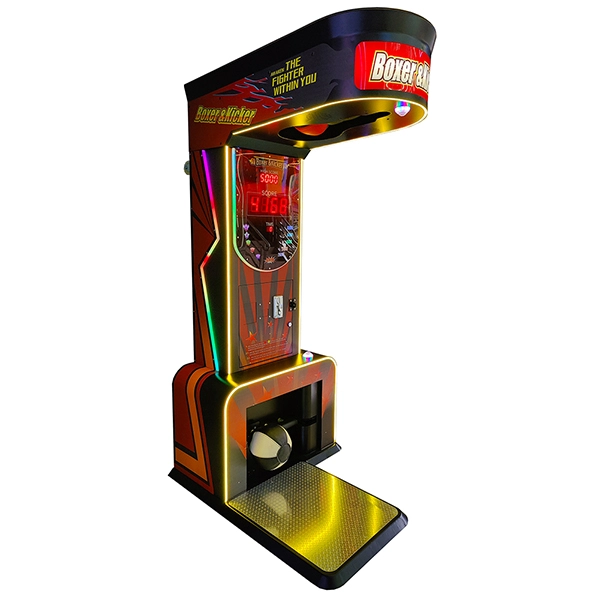
Neofuns Punch & Kick 3 Review: Features Buyers Should Know
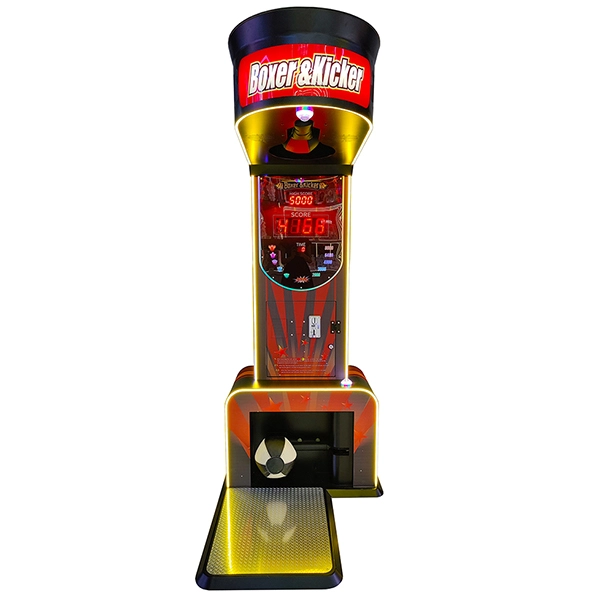
ROI Analysis for Boxing Punching Machines in Entertainment Venues

Neofuns Kids Boxing Punch Machine: Durability Review

Enhancing Kids’ Confidence with Boxing Arcade Play
FAQS
How long will it take for me to receive the goods?
Standard products are delivered within 2 days; customized products will be delivered on time after all order information is confirmed, or even delivered in advance. For large quantities, it usually takes 35-40 days. Small customized, delivery time of within 30 days.
Can you provide corresponding prize purchasing services?
Yes, we provide prize options,one-stop shopping.
Whether to support samples?
Yes, the minimum order is 1 unit, and the customer pays the sample fee and shipping fee.
Whether to provide perfect after-sales service?
Yes, 24-hour online service, supporting multi-language online technology and after-sales support,1-year free warranty for core accessories, and lifetime maintenance.
Can I customize special specifications and packaging?
Yes, we support customization of appearance, program, organization, etc.
Neofuns Kids Boxing Punch Machine
The Kids Boxing Punch Machine is an interactive amusement device designed specifically for children, commonly found in amusement parks, shopping malls, or family entertainment centers. Its core function is to allow kids to test their strength, speed, and reaction abilities by punching a target.

Neofuns Boxing Champion Arcade Punching Game Machine
The colorful lights can make players immerse themselves in the punch of boxing, and every punch is a release of pressure; the digital scoreboard allows players to feel the sense of accomplishment brought by each punch, making people unable to stop and increasing your venue revenue; the customizable logo and stickers help you improve your brand awareness.
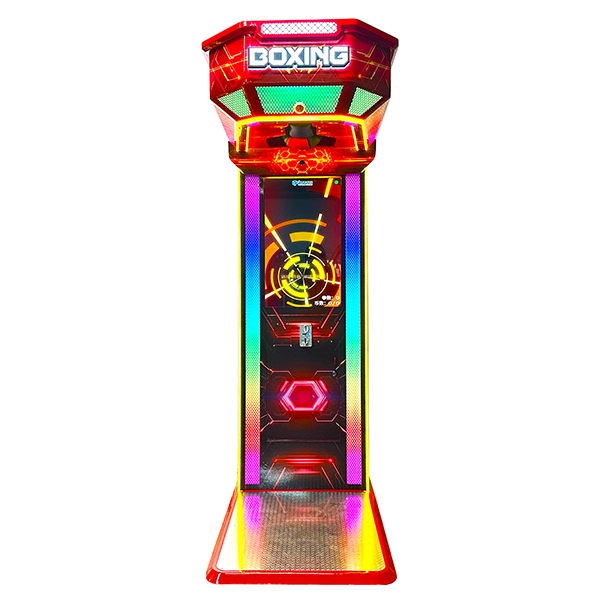
Neofuns Boxing Video Arcade Punching Game Machine
Experience the ultimate fusion of strength and technology with our cutting-edge boxing machine! At its heart lies a vibrant 32-inch HD display that reacts in real-time to every punch—tracking your speed, power, and accuracy with thrilling visuals.
Become the Champion: Shatter records? Our built-in auto-capture camera instantly films your victory moment and immortalizes you on the global leaderboard!
Compete & Conquer: Challenge friends worldwide. Your name in lights awaits!
Immersive Training: From precision drills to knockout games—crystal-clear graphics make every hit explosive.

Neofuns Boxing Prize Arcade Punching Game Machine
Test your strength and aim for glory! Players unleash thrilling punches on our dynamic boxing pad. Hit hard, score big, and watch the excitement build! Reach the target score, and WIN A PRIZE INSTANTLY! Perfect for arcades, family entertainment centers, bars, and events—this high-energy attraction draws crowds, boosts revenue, and keeps customers coming back for that winning punch!
 +86 137 1928 7841
  sales@neofuns.com
Copyright © 2025 Neofuns. All Rights Reserved.
Instagram
Facebook
Youtube